


A chirping smoke alarm may be simple to disregard, especially if the alarm has been in place for several years. However, all alarms need to function perfectly to alert the residents about a potential fire in the house. There are six crucial areas checked during a Brisbane smoke alarm inspection process that are not immediately visible from the ground level.
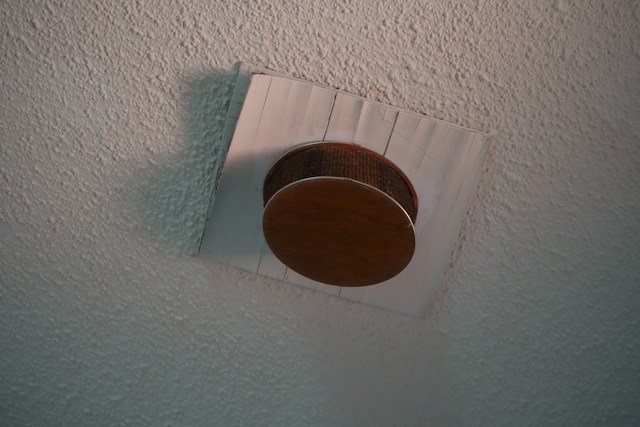
Importance of Smoke Alarm Inspections
Firefighters from the Queensland Fire Department have responded to more than 1,700 incidents of house fires in the state in the previous financial year, reported by the Queensland Fire Department. All these cases represent households that would benefit from early warnings and a smoke alarm inspection Brisbane. These statistics were released with the approach of the deadline for smoke alarm compliance set for 1 January 2027.
This deadline applies to all existing private homes, townhouses, units and manufactured homes in Queensland. Whether they are old timber houses, townhouses or units, all Brisbane properties should comply.
Check 1: Smoke Alarm Sensor Type, What Kind Have You Got?
Before we start, inspectors are looking to see what kind of sensor you’ve got installed. Now, it’s worth noting that ionisation alarms might not give you enough time to get out in a smouldering fire, and smouldering fires are a big cause of house fire deaths in Queensland. Even if your ionisation alarms are still working, the Queensland Fire Department reckon it’s a good idea to swap them out for ones that can give you a bit more early warning.
Photoelectric smoke alarms use a light sensor to spot smoke, pretty straightforward.
Check 2: Smoke Alarm Placement, Where Are They Supposed to Go?
Your smoke alarms need to be in pretty strategic spots: one on every storey, inside each bedroom, and in hallways that link bedrooms to the rest of the house. If there’s no hallway, they need to be between the bedrooms and other areas. And if you’ve got a storey without bedrooms, you still need at least one alarm along the main escape route.
Getting the ceiling placement right is also key: your alarms need to be at least 300mm away from corners and lights, and at least 400mm from things like air vents or fan blades. And if you’ve got sloping ceilings or exposed beams, there might be different rules to follow.
Check 3: Power Supply Requirements, How Do They Get Their Juice?
Your smoke alarms need to either be hardwired or run on a non-removable 10-year battery. If you want to install or swap out a hardwired one that’s connected to the mains, you know, 240 volts, you’ll need a licensed electrician for that. But if you’re just putting in a new one with a battery, that’s okay to do yourself.
Lots of old homes have got a mix of hardwired and battery-powered alarms, and that’s okay as long as everything is meeting the required standard and all working together.
Check 4: Testing Smoke Alarm Interconnection, Do They Talk to Each Other?
If your smoke alarms are all connected up, that means if one goes off in a bedroom, it’ll trigger alarms in other parts of the house. They can be wired together, or they can be wireless or a bit of both. As long as they all sound when one is triggered, that’s what matters.
When we’re inspecting, we’ll try activating one alarm and see if the others respond. Sometimes, distance, internal walls or flat batteries can get in the way, and if one alarm doesn’t sound, that might mean the whole system isn’t working as it should.
Check 5: Alarm Age and Physical Condition, Is It Time to Replace?
If one of your smoke alarms is more than 10 years old, it needs to be swapped out; the same goes if one fails its test. And if a unit’s dirty or dusty and doesn’t meet the manufacturer’s cleaning instructions, we might need to consider replacing it too.
Check 6: What’s the Report Going to Say?
When we’re done with the inspection, the report should tell you three things:
- Pass: Your alarms are all good, photoelectric, in the right spot, connected up and not too old.
- Fail: One or more alarms are missing, expired, or faulty, they need to be replaced.
- Needs upgrade: You’ve got alarms that are the wrong type (ionisation), or you can’t get them to work together.
You should ask us which alarms failed, why they failed and what needs to be done to fix the problems. And if you’re planning to sell or lease your place, we might take some notes and snaps to help prove you’ve met the requirements.





Leave a comment